

Lancaster
Water Quality Testing & Water Filtration in Lancaster, MA
If you’re worried about contaminants in your drinking water or dealing with issues like staining and odors, H2O Care is here to help. We offer full Lancaster water treatment services, including water testing, filtration, softeners, UV disinfection, well pump support, and more.
For over 30 years, H2O Care has helped homeowners throughout Massachusetts solve challenging water quality problems. Our team designs custom treatment solutions based on your water test results, household needs, and local water conditions.
If you need dependable water treatment in Lancaster or Worcester County, MA, H2O Care’s water experts are here to help. Contact us now to schedule a free water quality test.
Common Water Issues in Lancaster, Massachusetts
Many properties in Lancaster rely on groundwater sources that can contain naturally occurring minerals and contaminants. Even homes and businesses connected to municipal water systems can experience water quality concerns. Often, these are related to disinfectants, disinfection byproducts, aging infrastructure, and household plumbing.
Local geology throughout Worcester County, combined with the area’s water sources and distribution systems, can contribute to several common issues that affect the taste, odor, appearance, and overall quality of drinking water.
Hard Water
Hard water is caused by elevated levels of calcium and magnesium minerals. It is one of the most common quality issues for residents on well water.
Over time, hard water can leave spots on dishes and glassware, create scale buildup on faucets and showerheads, and reduce the efficiency of water-using appliances. Many people also notice that soap doesn’t lather well, and their skin and hair feel dry after bathing. Plumbing issues, poor water pressure, rough, dingy laundry, and staining can also occur.
A properly sized water softener can help reduce hardness, protect plumbing and appliances, and improve overall water quality.

Iron & Manganese
Iron and manganese are naturally occurring minerals commonly found in MA groundwater. While they are not usually considered a health concern at typical levels, they can create a variety of nuisance problems.
These minerals can cause orange, brown, or black staining on clothing, sinks, toilets, fixtures, and bathtubs. They may also affect the taste or smell of drinking water and leave buildup inside pipes, appliances, and treatment equipment. In some cases, bacteria can develop, creating slime that clogs plumbing and contributes to unpleasant odors.
Specialized iron and manganese filtration systems can help remove these minerals and prevent staining, buildup, and other problems.

Hydrogen Sulfide Gas
Hydrogen sulfide gas is often responsible for a rotten egg smell in water. This naturally occurring contaminant can enter water through the breakdown of organic matter or from sulfur-reducing bacteria found in some wells.
In addition to unpleasant odors, hydrogen sulfide can create a bad taste in drinking water, contribute to plumbing corrosion, and cause black staining. Sulfur bacteria may also produce a slime that can build up inside pipes and water treatment equipment.
Depending on the severity of the problem, treatment options may include aeration, oxidation systems, carbon filtration, or other specialized filtration technologies.

PFAS
PFAS are a group of man-made chemicals that have become a growing concern in drinking water throughout New England. These chemicals have been used in products such as firefighting foam, nonstick cookware, stain-resistant fabrics, food packaging, and industrial manufacturing. Because PFAS break down very slowly, they can remain in the environment and groundwater for many years.
PFAS contamination can affect both private wells and public water supplies. They may enter groundwater through industrial sites, landfills, firefighting training areas, road runoff, and other environmental sources.
The Massachusetts Department of Environmental Protection (MassDEP) has established a maximum contaminant level (MCL) for PFAS. The MCL is 20 parts per trillion (ppt) or nanograms per liter (ng/L) for the sum of six PFAS in drinking water.
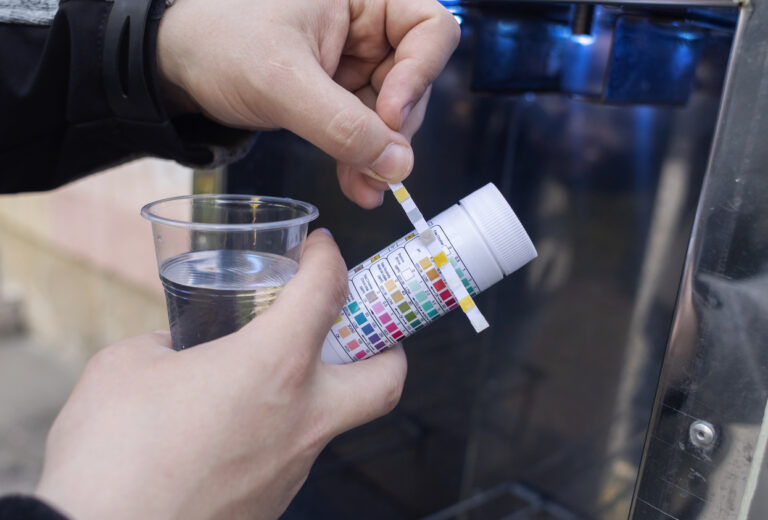
Since PFAS cannot be seen, smelled, or tasted, lab testing is the only way to determine if they are present in your water supply. H2O Care offers water testing and treatment solutions designed to help reduce PFAS. Depending on your water quality report, treatment may include activated carbon filtration, reverse osmosis, or ion exchange technology with specialized resin.

Radon in Well Water
Radon is a naturally occurring radioactive gas that can dissolve into groundwater. When water is used indoors, radon may be released into the air through showers, faucets, washing machines, etc. This can increase radon exposure over time.
In Massachusetts, it is estimated that 650,000 homes have radon levels above the EPA action guideline of 4 pCi/L (picocuries per liter) in indoor air. The MassDEP Office of Research and Standards (ORS) has a set guideline of 10,000 pCi/L for radon in drinking water.
Because radon is tasteless, odorless, and colorless, the only way to know if it’s present is through professional water testing. Homes with private wells are generally at greater risk for radon in water than homes connected to municipal water.
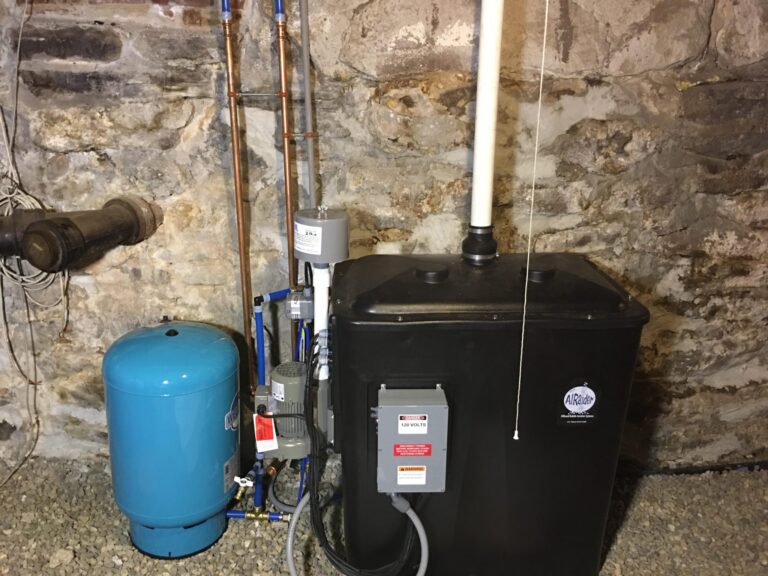
H2O Care provides lab testing and treatment options for radon in well water. Aeration systems are often used to remove it before the water enters the home. Granular activated carbon (GAC) filters may also be used for low levels of radon.
Chlorine Taste & Odor
Many public water systems, including Lancaster’s, use chlorine to disinfect drinking water and protect against harmful bacteria. While effective, chlorine can leave an unpleasant taste or smell in tap water. Some people also notice dry skin and hair, or changes in the taste of beverages made with chlorinated water.
Activated carbon and catalytic carbon filters can help reduce chlorine and improve the taste and odor of drinking water. Reverse osmosis (RO) is often effective, as well, since these systems usually contain a carbon filter.
Disinfection Byproducts (THMs & HAAs)
When chlorine reacts with naturally occurring organic matter in water, it can create compounds known as disinfection byproducts. Common examples include trihalomethanes (THMs) and haloacetic acids (HAAs).
Advanced carbon filtration and other treatment technologies can help reduce certain disinfection byproducts and improve overall water quality.
Lancaster Water Treatment Systems
H2O Care provides customized Lancaster water treatment systems to address your specific water concerns. Available treatment options include:
- Water softeners
- Whole-house filtration
- Sediment filters
- Reverse osmosis systems
- UV water treatment systems
- Well water treatment systems
- Carbon filtration systems
- Iron and manganese filtration
- Radon removal systems
- Arsenic removal systems
- PFAS treatment solutions
- Acid neutralizers
- And more
We also provide Lancaster water filtration maintenance, inspections, and repairs. Our technicians handle troubleshooting, parts replacement, routine tune-ups, and more to keep your system working properly. From filter changes in Lancaster to RO membrane replacement, we’ve got you covered.
Lancaster Whole-House Water Filtration Systems
A whole-home water filtration system treats water before it reaches your faucets, showers, and appliances. Depending on your water quality concerns, these systems may include softening, carbon filtration, UV treatment, arsenic filtration, or other specialized contaminant removal technologies.
Well Pumps
Many Lancaster homes depend on private wells for their water supply. H2O Care provides comprehensive well pump services from trained professionals. We offer installation, repair, replacement, and troubleshooting.
Choose H2O Care for Lancaster Water Treatment
H2O Care provides complete Lancaster water treatment services, from well water testing and custom system design to installation, maintenance, and repairs. Whether you need a new softener, reverse osmosis in Lancaster, or an ultraviolet (UV) water purifier, our team is here to help.
Contact H2O Care now to schedule a free water test and get started on the path to cleaner, better-tasting water. We’ve been installing cutting-edge equipment for MA residents since 1989.