
H2O Water Solutions
H2O Care’s Water Solutions to Regional Water Quality Issues
For Water Issues in Massachusetts, Maine, New Hampshire, or Rhode Island, Contact Us Now. Schedule your service or maintenance today!
H2O Care’s Water Solutions to Regional Water Quality Issues
Below is a breakdown of common regional water problems with symptoms and solutions for each. The first step in determining a course of action is getting a water test. An analysis will identify the contaminants present and at what levels they exist. While there is often more than one approach to solving an issue, our water treatment professionals will determine which is best for your specific situation.
At H2O Care, we specialize in Maine, Massachusetts, Rhode Island, & New Hampshire water solutions!
Are you experiencing any of the problems listed below? Click to jump down to that section to read about potential causes and treatments.
Water Staining
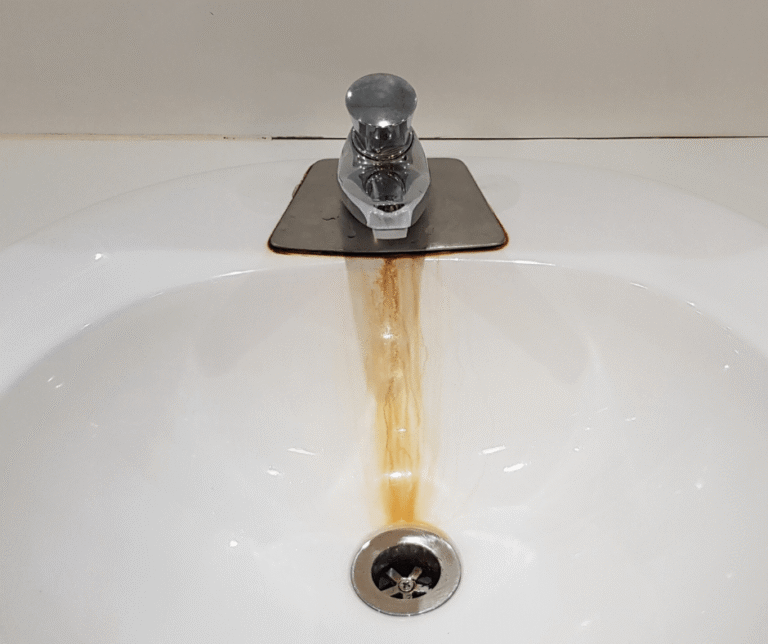
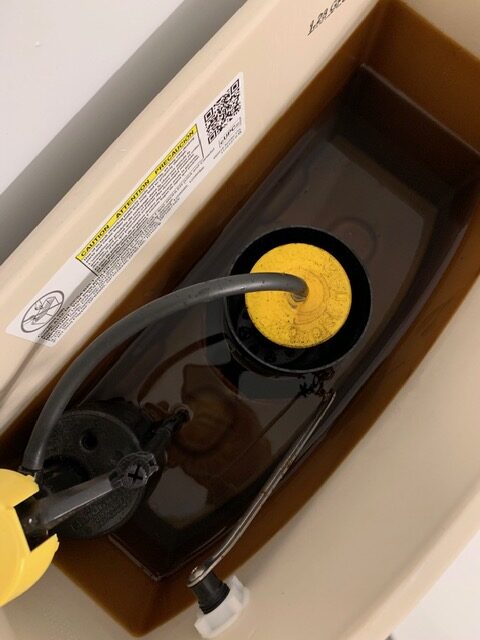
If you’re experiencing staining throughout your home, it’s most likely due to iron or manganese.
High Levels of Iron
Iron is a naturally occurring mineral that is common in water supplies. It can be present in your water in two forms: dissolved (invisible) or suspended as particulates (visible).
Symptoms of High Iron Content
- Orange or brown staining in sinks, tubs, appliances, on faucets, and laundry
- Metallic taste or smell
- Slime in water (due to iron bacteria)
- Particles floating in water
- Low water pressure
Water Quality Issues
- Iron isn’t harmful in low quantities, but it can impact the appearance, taste, and smell of drinking water
- Reddish-brown and orange stains throughout your home
- Shortened lifespans for water-using appliances
- Plumbing issues and clogging due to buildup in pipes
- Buildup in pipes can act as a breeding ground for harmful bacteria and lessen the effectiveness of disinfection equipment
- Slime residue in pipes and toilet tanks
- Iron will react with chlorine bleach, which intensifies staining (often seen on laundry)
Solutions
- Water softener
- Oxidation & filtration
High Levels of Manganese
Manganese is another naturally occurring mineral that’s harmless at low levels. However, it’s potentially toxic at very high levels.
Symptoms
- Water has a gray or brown hue
- Water has a metallic or bitter taste and/or smell
- Brownish-black staining on fixtures, sinks, tubs, laundry, silverware, or appliances
- Slime in your toilet tank and/or pipes due to manganese bacteria
Water Quality Issues
- High levels of manganese in water can be a health risk, especially for children
- Scaling and other plumbing issues
- Sediment and bitter-tasting water
- Manganese will react with chlorine bleach, which intensifies staining (often seen on laundry)
- Scale buildup in pipes can harbor harmful bacteria and lessen the effectiveness of disinfection equipment
Solutions
- Water softener
- Oxidation & filtration
Scaling & Corrosion
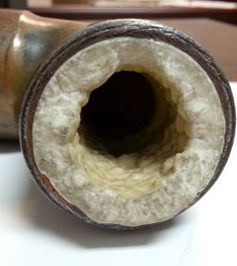
Scaling is a buildup of minerals, usually calcium and magnesium, in pipes. Left untreated, scale buildup can clog your pipes and hurt your water pressure. It can also shorten the lifespan of your hot water heater and other water-using appliances.
Hard Water
Symptoms
- White scale buildup in pipes, appliances, and on plumbing fixtures
- Soap doesn’t form suds easily, leading to increased soap and detergent use
- Soap scum on shower doors and glassware
- Shorter lifespan for water-using appliances
- Water ring in the toilet or tub
- Laundry that feels rough and stiff and looks dull
- Dry skin and hair from showering with hard water
Water Quality Issues
- Clogged pipes or low water pressure
- Mineral buildup on your skin, hair, and clothes
- Limescale buildup can protect harmful bacteria by allowing them to gather inside pipes and lessen the effectiveness of disinfection equipment
Solutions
- Water softener
Acidic Water (Low pH)
Low pH means your water is more acidic than it should be. In Massachusetts, New Hampshire, Rhode Island, and Maine, this water quality issue can cause serious plumbing problems for residents.
Symptoms
- Metallic taste or smell
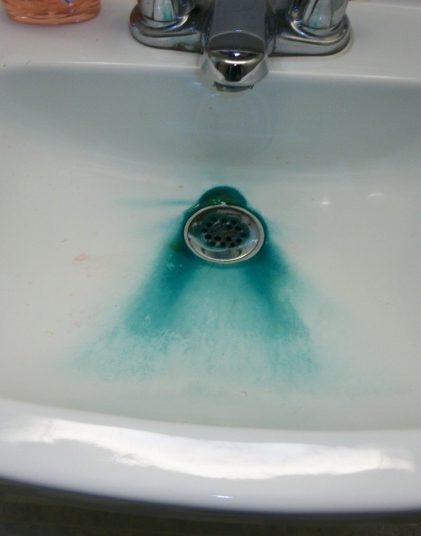
- Green or blue staining on sinks, tubs, and fixtures due to dissolved copper from pipes
- Tarnished silverware
- Staining on laundry
- Pin-hole leaks in pipes
- Particles in water
- Water-using appliance failure
Water Quality Issues
- A low water pH can cause plumbing corrosion
- Acidic water can leach lead and other metals from the plumbing system into your water
- Shortened lifespan for water-using appliances due to corrosion of components
Solutions
- Acid Neutralizing System
- Corrosion Inhibitors
- Aeration
Saltwater Intrusion
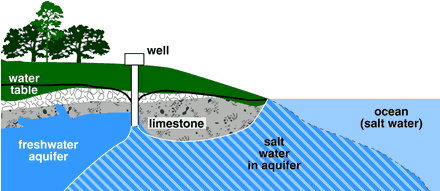
Saltwater intrusion usually occurs in wells dug near marshy or coastal areas.
Symptoms
- Salty flavor to drinking water
- Heavy corrosion and salt buildup in pipes
- Damaged plumbing fixtures
- Damaged well system components
- Damaged water heater
Water Quality Issues
- Highly corrosive water that is not drinkable and generally unusable
Solutions
- Whole-Home Reverse Osmosis System
Bad Odors, Taste, & Discolored Water
Whether on a private well or public water, there are many potential causes of bad odors, tastes, and off-color water. Some of the most common causes of such issues are listed below.
Rotten Egg Odor (Hydrogen Sulfide Gas)
If your water smells like rotten eggs, you’re dealing with a common water quality issue caused by hydrogen sulfide gas. Hydrogen sulfide gas in water can come from:
- The natural decay of organic materials (like plant matter) in your well
- Water interactions with sulfur-rich soils and rocks
- Sulfur-reducing bacteria that thrive in low-oxygen environments like groundwater wells
Symptoms
- Water smells like rotten eggs
- Silverware tarnishes easily
- Black stains on plumbing fixtures
- Slime from sulfur bacteria in water
- Laundry smells like rotten eggs
Water Quality Issues
- Water is unpleasant to use and drink
- Hydrogen sulfide gas in water can be corrosive at high levels
- Sulfur bacteria in wells or plumbing systems create slime that fosters the growth of other bacteria (e.g., iron bacteria), exacerbating odor issues and potentially clogging pipes
Solutions
- Ozonation (for higher levels)
- Activated Carbon Filtration
- Aeration

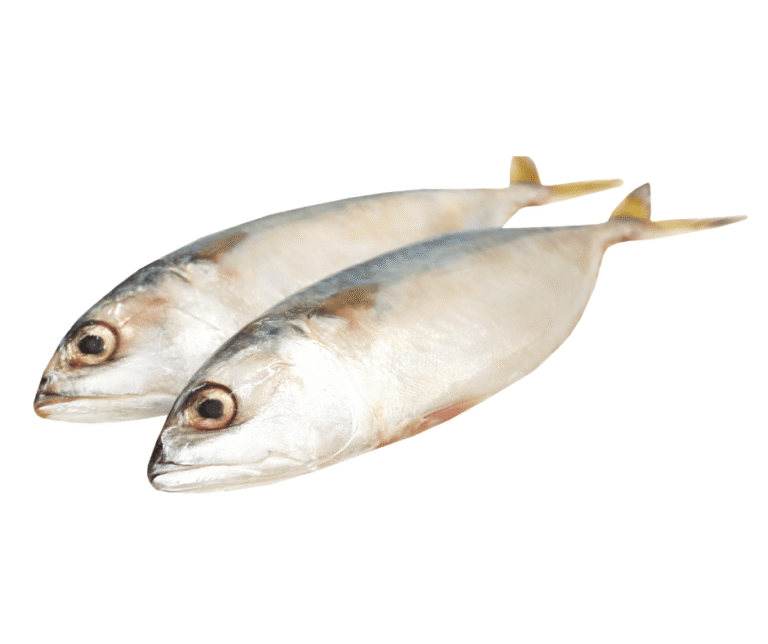
Fishy, Musty, or Oily Taste or Smell
Symptoms
- Bad taste or odor
- Oily emulsions or “film” on water’s surface
- Odor issues can worsen during warmer weather (if caused by algae growth in wells)
- Physical symptoms, such as stomach issues, respiratory problems, or skin and eye irritation
- Long-term health issues
Water Quality Issues
- Water is unpleasant to drink
- Some contamination sources linked to bad odors and flavors can be harmful (examples include industrial discharge, contamination from landfills, leaking underground fuel tanks, and agricultural runoff)
- When bad odors and flavors in water are caused by Volatile Organic Compounds (VOCs), there may be a health risk (like PCE water contamination)
Solutions
- Reverse Osmosis
- Activated Carbon Filtration
- Ozonation
Chlorine
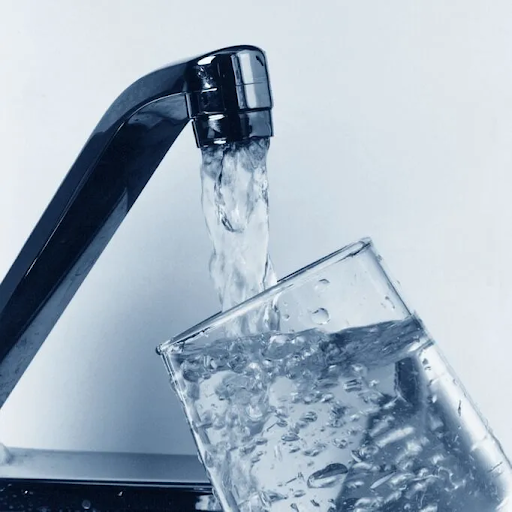
Municipal water suppliers add chlorine to kill harmful bacteria and other microorganisms. While this makes your water safe to drink, it often leaves behind an unpleasant swimming pool smell and taste.
Symptoms
- Chemical taste in drinking water
- Swimming pool smell when you run the tap
- Unpleasant flavor in coffee, tea, and other beverages
- Dry skin, hair, and/or scalp after showering
Water Quality Issues
- Water is unpleasant to drink
- Showering can cause dry skin, hair, and scalp issues like dandruff
Solutions
- Carbon Filtration
- Reverse Osmosis
Turbid Water
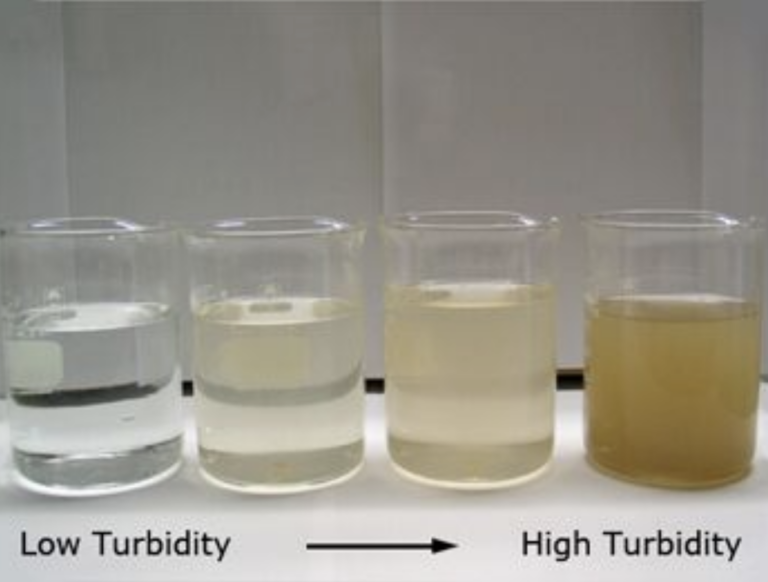
Turbid water appears cloudy or muddy because of tiny suspended particles that don’t settle. This isn’t just an aesthetic issue— these particles can interfere with water treatment and may indicate other problems.
Symptoms
- Water looks cloudy, hazy, or discolored
- Sediment collects in toilet tanks or water heaters
- Water sometimes has an earthy smell or taste
- Faucet screens clog frequently
Water Quality Issues
- Water is unpleasant to drink
- Suspended particles can shield harmful bacteria, viruses, and parasites from disinfection treatments
- Turbidity can reduce the effectiveness of chemical treatment, such as chlorine
- Particles causing turbidity can damage plumbing fixtures and appliances over time
Solutions
- Sediment Filtration
- Coagulation
- Reverse Osmosis
- Activated Carbon Filtration
Health Threat Contaminants
Maine, Massachusetts, Rhode Island, and New Hampshire water quality concerns include contaminants that can pose health risks. The most common dangerous contaminants found in our region are listed below.
Arsenic
Arsenic usually originates from deep wells that tap into bedrock or groundwater containing arsenic. Long-term exposure has been linked to serious health effects.
Symptoms can include:
- Digestive problems including stomach pain, nausea, diarrhea, and vomiting
- Neurological symptoms like numbness or tingling sensations
- Skin changes including darkening and small growths
- Increased risk of certain cancers
- Long-term health issues
Water Quality Issues
- Serious threats to health
Solutions
- Arsenic-Selective Treatment Resin
- Ion Exchange Systems
- Reverse Osmosis
Radon
Radon is a colorless, odorless radioactive gas that can dissolve in groundwater. While you can’t see or taste it, radon in water can release into your home’s air, creating potential health risks. Radon gas in water does not produce direct symptoms.
Water Quality Issues
The primary concern with radon in water isn’t drinking it— it’s the gas that’s released into the air when water is used. Prolonged radon gas inhalation carries a very high risk of lung cancer. Radon is the second leading cause of lung cancer behind smoking.
Radon gas escapes into your indoor air, where it can accumulate, every time you:
- Take a shower or bath
- Run the washing machine
- Use the dishwasher
- Turn on the faucet
Solutions
- Aeration
- Activated Carbon Filtration (for low levels)
- Radon Detectors (to monitor levels in your home’s air)
PFAS (Per- and Polyfluoroalkyl Substances)
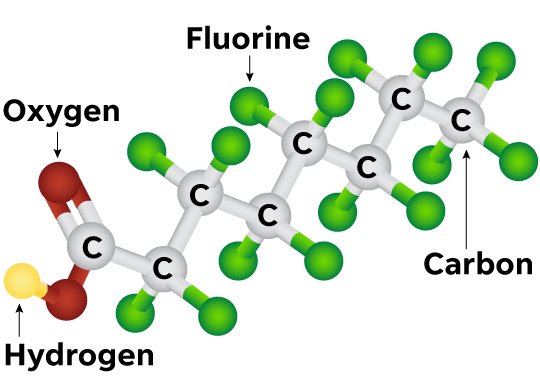
PFAS are man-made chemicals used in many consumer products and industrial applications since the 1940s. These “forever chemicals” don’t break down naturally and have increasingly been detected in water supplies across the U.S. PFAS in water are not directly linked to immediate symptoms.
However, they are associated with long-term health risks from chronic exposure.
Water Quality Issues
- Weakened immune system response
- Potential effects on fertility and child development
- Possible links to certain cancers
- Thyroid hormone disruption
Solutions
- Specialized PFAS Treatment Resin
- Reverse Osmosis
- Activated Carbon Filtration
Trihalomethanes (THMs) & Haloacetic Acid
These chemical compounds form when chlorine used to disinfect municipal water reacts with naturally occurring organic matter. These disinfection byproducts can affect water quality and potentially your health.
Water Quality Issues
Research has linked long-term exposure to elevated levels with:
- Negative effects on liver and kidney function
- Possible impacts on the nervous system
- Impacts on reproductive health and birth defects
- Increased risk of bladder cancer and other potential cancer risks
Solutions
- Activated Carbon Filtration
- Reverse Osmosis

Nitrates
Nitrates are colorless, flavorless, and odorless in water. They can enter water supplies from agricultural fertilizers, natural decomposition of organic matter, industrial pollution, and more.
Water Quality Issues
Nitrates pose particular health risks for specific vulnerable groups:
- For infants, can cause “blue baby syndrome,” a serious condition affecting oxygen transport in the bloodstream
- For pregnant women, possible risks to fetal development and adverse pregnancy outcomes
- For adults, may cause symptoms like headaches and dizziness
- Other potential health impacts of nitrates in water also include thyroid problems and cancer risks.
Solutions
- Reverse Osmosis
- Ion Exchange

Contact Us for Water Solutions Across New England
At H2O Care, we provide everything from well water treatment solutions in Rhode Island to softeners for water hardness in Massachusetts. Contact us today to book a free water test if you’re facing:
- Maine Water Contamination
- Massachusetts Water Contamination
- New Hampshire Water Contamination
- Rhode Island Water Contamination
Our water quality experts are here for you!